
Industrial Green Compliance via Shared Pallet Loops in Malaysia
Contents
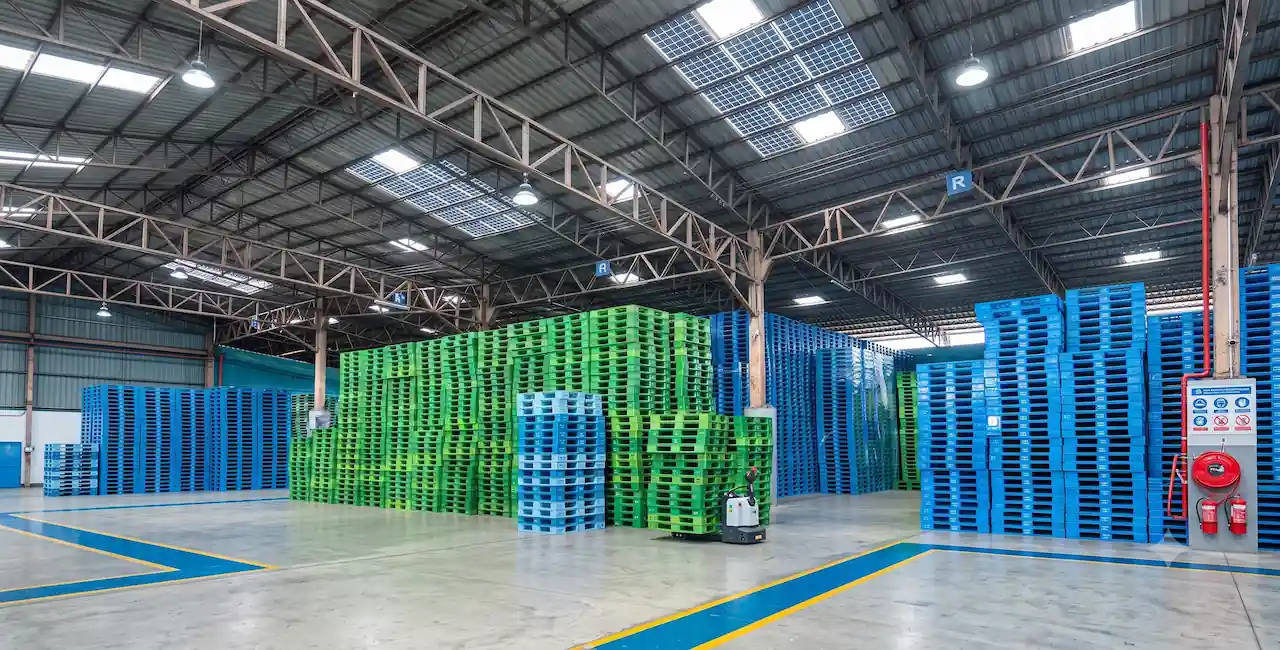
Environmental compliance has moved from a voluntary corporate goal into a strict regulatory reality across Malaysia. Across critical industrial hubs—from the advanced semiconductor complexes of Penang to the heavy production corridors of the Klang Valley—supply chain executives face intense pressure to eliminate waste.
With domestic ESG auditing standards (including Bursa Malaysia’s supply chain mandates) becoming more rigorous, managing secondary packaging materials on the warehouse floor is now under close scrutiny.
For modern manufacturing plants, traditional ways of handling logistics equipment create unnecessary barriers to meeting environmental targets. Shifting toward collaborative asset management models, such as shared pallet pooling networks, allows companies to achieve green compliance while simultaneously protecting their operational margins.
The Environmental Bottlenecks of Traditional Wood Platforms
Relying on low-grade, single-use wooden packaging introduces severe material waste hazards inside high-density industrial facilities. Because single-use wooden pallets are not engineered to survive heavy multi-shift logistics, they fracture, split, and deteriorate at an exceptionally high rate.
Once damaged, this broken wood debris rapidly piles up, turning valuable warehouse floor space into unmanaged waste zones. Under Malaysia’s national environmental guidelines, hauling away tons of industrial wood waste generates continuous municipal tipping fees and collection overheads. Furthermore, the constant turnover of short-lived timber assets runs counter to local forest preservation initiatives, driving up an organization’s indirect carbon footprint and complicating regulatory facility audits.
Eradicating Packaging Refuse with Reusable Asset Pools
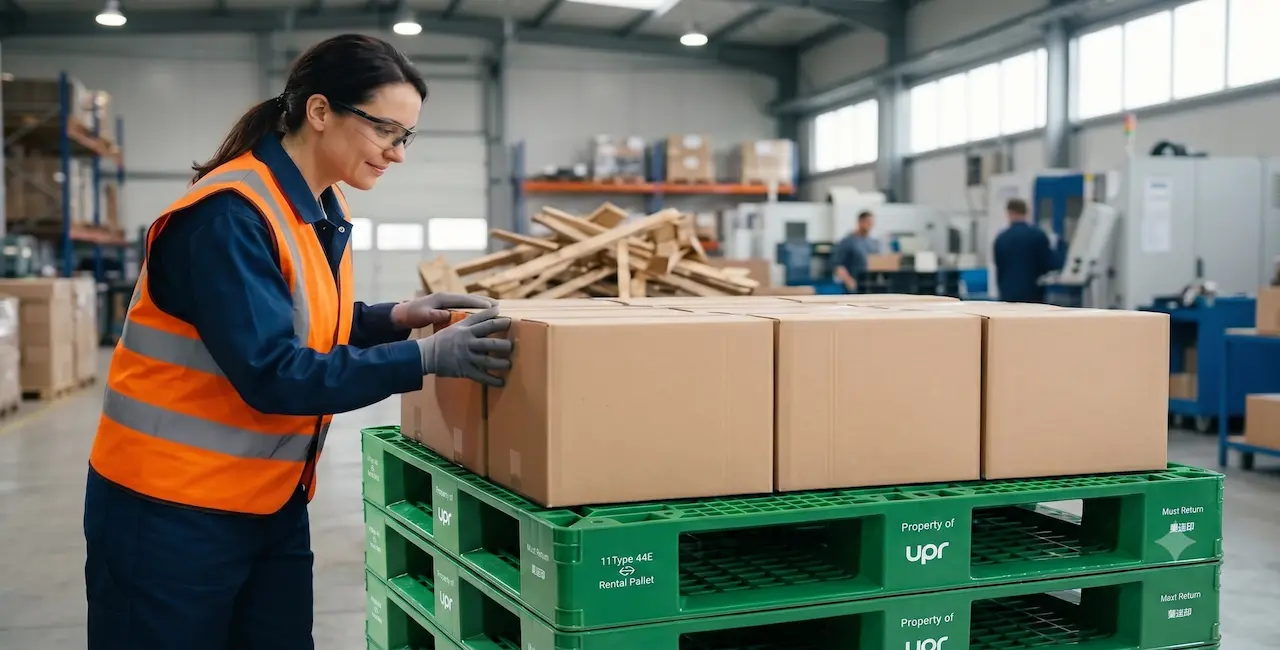
A shared-user pallet infrastructure, engineered by specialized asset managers like UPR Malaysia, directly solves these environmental bottlenecks. Under an open-loop circular system, industrial facilities remove physical transit platforms from their capital procurement logs entirely.
Instead of purchasing private equipment fleets that eventually degrade into commercial refuse, factories rent standardized plastic pallets from a regional shared pool.
Material Efficiency: Wood Waste vs. UPR Plastic Pooling
| Operational Metric | Single-Use Wooden Pallets | UPR Reusable Plastic Pallet Pooling |
| Lifespan / Durability | Low (Fractures easily, generates debris) | High (Endures hundreds of high-density cycles) |
| Waste Management | High municipal tipping fees & wood waste | Zero waste; 100% recyclable at end-of-life |
| Regulatory Compliance | Complicates ESG and facility safety audits | Accelerates green compliance & ESG scores |
| Biosecurity (Export) | Requires costly ISPM 15 fumigation | Naturally exempt from ISPM 15 laws |
Molded from premium, high-density polymers, UPR’s certified platforms endure hundreds of shipping cycles without structural distortion. Once a shipping rotation concludes, the responsibility for recovering, auditing, and steam-washing the equipment shifts entirely to UPR’s depot network across Malaysia. Defective or worn units are ground down and completely recycled into raw materials for fresh industrial products, creating a closed-loop framework that keeps packaging out of local Malaysian landfills.
Operational and Compliance Breakthroughs for Malaysian Plants
Transitioning away from single-use packaging toward a managed, circular asset model delivers immediate financial and practical relief to factory networks:
- Zero Pallet Clean-Up Costs: Removing fragile wood assets completely cuts out ongoing monthly industrial waste collection invoices and tipping fees.
- Frictionless Biosecurity Clearances: High-grade polymer platforms are completely pest-free and exempt from international ISPM 15 wood fumigation laws, preventing unexpected customs delays at major ports like Port Klang.
- Superior Workplace Safety: Single-piece, molded plastic designs contain zero sharp splinters, loose boards, or protruding metal nails, significantly lowering ground crew handling injuries and satisfying domestic DOSH standards.
- Cleanroom Optimization: Ideal for Penang’s E&E and semiconductor facilities, plastic pallets generate zero dust, ensuring strict contamination control.
Securing an Agile, Low-Waste Logistics Profile
In a fast-moving marketplace where corporate value is closely tied to operational sustainability, carrying the burden of legacy, wasteful supply chain packaging introduces unnecessary risk. Industrial enterprises cannot control changing environmental laws, but they have complete control over how resilient their internal logistics infrastructure is against waste.
Partnering with UPR Malaysia ensures your warehouse material workflows remain lean, clean, and fully compliant with national green mandates. By standardizing your transport loop on high-performance reusable assets, your organization can eliminate spatial waste, protect cash reserves (shifting CapEx to OpEx), and strengthen its competitive position as a certified leader in green logistics execution.
Advance Your Green Logistics and ESG Compliance
Stop wasting overhead on single-use wood disposal fees, DOSH safety risks, and unexpected ISPM 15 port delays.
Contact UPR Malaysia today to integrate our certified, closed-loop plastic pallet pooling services and optimize your manufacturing supply chain workflows.
UPR Solution (Malaysia) Sdn. Bhd. > Columns > Logistics > Industrial Green Compliance via Shared Pallet Loops in Malaysia
 Contact us