
Securing High-Volume Industrial Export Freight at Port Klang with Certified Infrastructure
Contents
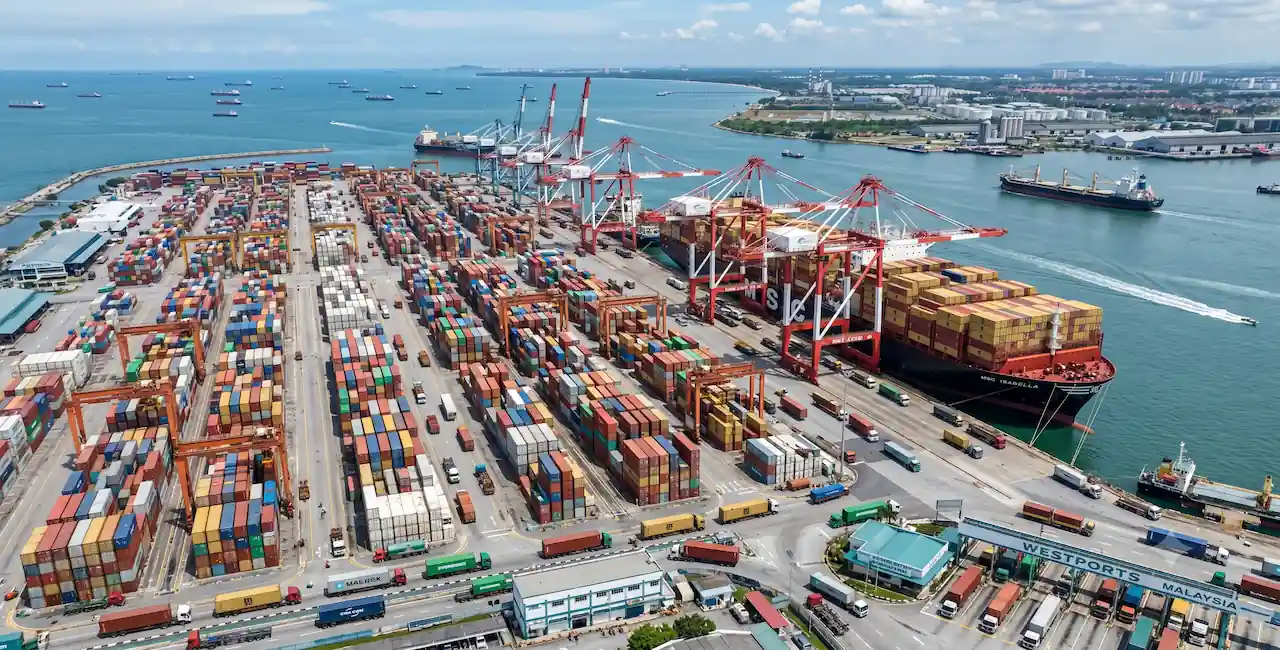
Port Klang represents the vital economic lung of Malaysia’s global trade operations. Handling millions of container units annually through its vast maritime terminal networks at Westports and Northport, this gateway directly channels the country’s manufacturing strength straight to international markets. For bulk commodity exporters, processing facilities, and freight logistics forwarders working out of adjacent industrial zones like Shah Alam or Bukit Raja, ocean transit logistics represents a critical point of vulnerability.
When goods enter global sea lanes, they face intense humidity changes, ocean pitching forces, and aggressive handling cycles. In a competitive maritime landscape where profit margins are tightly squeezed by volatile container rates, maintaining absolute load integrity inside international containers is essential. To mitigate inventory damage and completely bypass downstream quarantine holdups, leading Malaysian exporters are modernizing their shipping loops with certified, standardized pallet pooling ecosystems.
The Invisible Liabilities of Low-Grade Transport Platforms in Sea Freight
Long-haul maritime transit exposes the major technical flaws of uncertified packaging frameworks. A high percentage of domestic exporters still utilize standard single-use wooden platforms to support their international outbound freight. Although this procurement method seems budget-friendly at the factory staging line, it generates significant financial risks once the container seals are locked.
Low-grade wood units possess variable moisture levels and unpredictable weight tolerances. When stacked deep inside closed ocean containers under extreme dynamic forces for multiple weeks, these fragile platforms are highly susceptible to splitting or collapsing under industrial payloads. A single platform structural break at the bottom tier of a container matrix triggers an immediate load shift, resulting in crushed boxes, punctured primary materials, and catastrophic cargo rejection claims at global arrival terminals. Furthermore, handling damaged wood waste upon delivery creates severe local labor waste and incurs municipal cleaning penalties for overseas buyers.
Establishing Absolute Structural Protection via Certified Polymer Networks
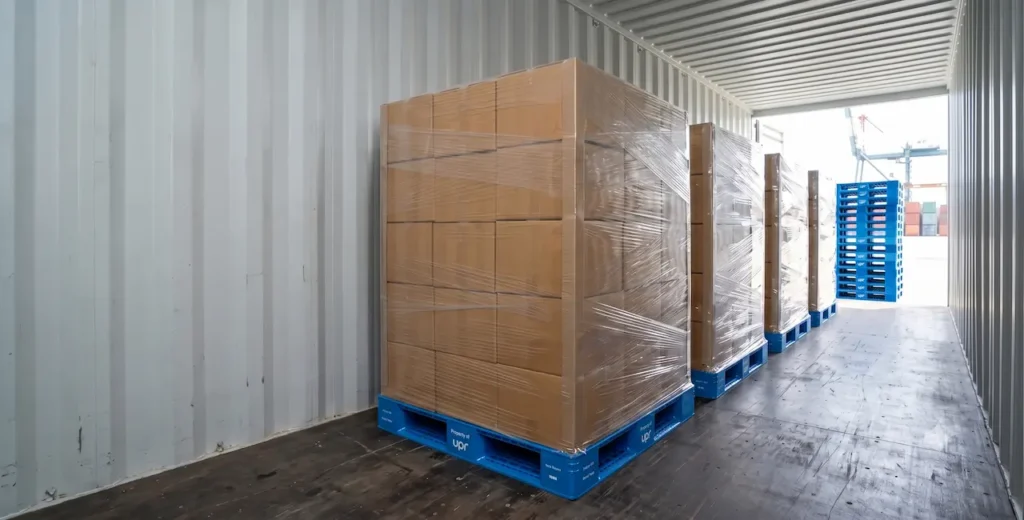
An open-loop certified asset pooling structure, managed by UPR Malaysia, directly eradicates these ocean transit liabilities. By standardizing outbound containers on high-performance, injection-molded plastic platforms engineered specifically for extreme industrial weight limits, companies inject absolute predictability into their shipping loops.
Certified UPR platforms are engineered with absolute dimensional precision, guaranteeing perfect interlocking patterns inside shipping containers. Because our high-density polymer materials completely repel moisture, they never lose load capacity or weaken under tropical oceanic humidity variations. This permanent structural strength stops material shifting, limits internal balance disruption, and ensures multi-tier product stacks stay fully vertical across rough international waters. Once the container docks and the goods are safely received, UPR’s interconnected global depot infrastructure manages the recovery and sorting of the equipment, removing the reverse logistics burden from your commercial lines.
Measurable Operational and Biosecurity Gains for Global Shipping Loops
Migrating your maritime shipping infrastructure toward a certified, rented asset model offers distinct strategic advantages to international trade pipelines:
100% Exemption from Phytosanitary Quarantine Holds
Synthetic plastic pallets carry zero biological risk and are completely exempt from international ISPM 15 wood fumigation laws, eliminating costly customs delays at Western or Asian ports.
Significant Compression of Insurance Exposure
Preserving rigid structural balance throughout long ocean journeys eliminates product denting and structural box failure, protecting exporters from damaging insurance claims.
Maximized Container Space Utilization
Exact, mathematically uniform footprints allow terminal staging crews to pack ocean containers to their true volumetric maximum, lowering overall freight costs per unit.
Ensuring Frictionless Transit Velocity at the Maritime Core
In the modern international transit environment, cargo damage or terminal delay at the destination port represents an unacceptable operational loss. Exporters cannot influence rough maritime weather or global port gridlocks, but they have complete control over the structural integrity of the platforms carrying their brand across the globe.
Standardizing your Port Klang container operations on high-durability, shared pooling networks with UPR Malaysia ensures your logistics operations match international standards of safety. By removing uncertified material handling variables, your business can protect liquid capital reserves, guarantee pristine product arrival, and expand its global market footprint with absolute confidence.
Optimize Your Port Klang Maritime Container Logistics
Stop risking international cargo rejection and customs delays due to substandard wooden transport packaging.
Learn more about UPR Malaysia’s pallet rental services or visit our
Inquiry Page to scale your maritime export efficiency with our ISPM 15 exempt plastic pallet pooling workflows.
UPR Solution (Malaysia) Sdn. Bhd. > Columns > Logistics > Securing High-Volume Industrial Export Freight at Port Klang with Certified Infrastructure
 Contact us