
Reclaiming Capital: Maximizing Cash Flow via the UPR Malaysia Buy-Back Initiative
Contents
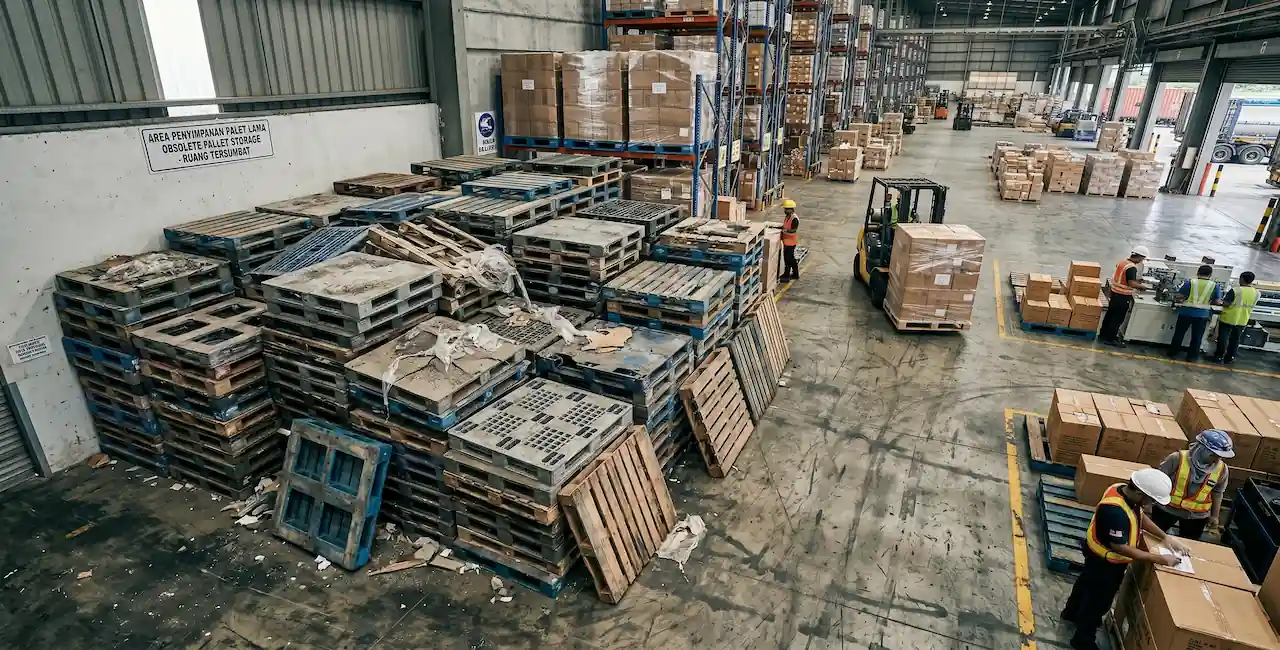
In the modern corporate landscape, managing liquidity is just as critical as driving revenue. For corporate financial officers and supply chain directors operating across Malaysia’s industrial hubs—from the manufacturing centers of Johor to the logistics corridors of Penang and the Klang Valley—maximizing cash flow is an ongoing priority. Macroeconomic fluctuations and rising operational overheads mean that carrying non-performing, depreciated, or obsolete assets on the balance sheet is a financial risk that businesses must actively mitigate.
A significant yet frequently overlooked source of trapped capital within large-scale industrial facilities is old, redundant, or damaged material handling equipment. Over years of operation, warehouses accumulate thousands of unstandardized, obsolete plastic pallets that no longer align with modern automated logistics systems. To unlock this trapped value and inject liquid cash back into active corporate budgets, forward-thinking Malaysian enterprises are leveraging the UPR Malaysia Pallet Buy-Back Initiative.
The Financial Drain of Obsolete Material Handling Accumulation
Maintaining an inventory of aging, broken, or unstandardized plastic pallets introduces significant hidden financial and operational liabilities for a corporate enterprise. From an accounting perspective, these obsolete platforms represent depreciated physical assets that continue to incur storage costs while delivering zero operational yield.
In a commercial environment where warehouse square footage commands a premium price, dedicating valuable floor space to stack broken or redundant plastic assets is a costly misuse of real estate. Furthermore, left unmanaged, piles of obsolete pallets create immediate workplace safety hazards, block vital fire exit lanes, and complicate internal compliance audits. When a business attempts to clear out these materials through traditional industrial waste scrap dealers, they are often hit with exceptionally low recovery values, complicated transportation logistics, and potential environmental disposal compliance risks that can damage corporate sustainability scores.
Turning Depreciated Physical Waste into Liquid Working Capital
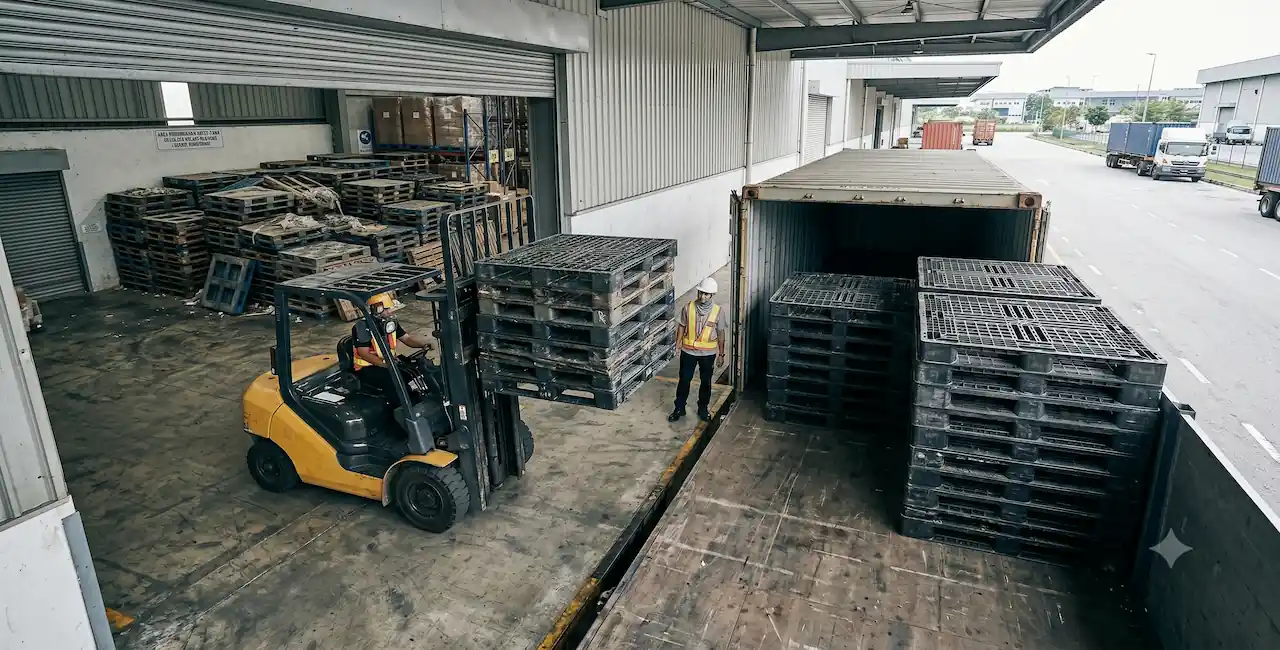
The UPR Malaysia Buy-Back Initiative solves this industrial asset bottleneck by providing a certified, transparent, and financially rewarding circular framework to liquidate obsolete plastic material handling platforms. Under this structured corporate program, businesses can systematically sell their retired, damaged, or redundant plastic pallets directly to UPR.
Instead of treating old platforms as industrial scrap or paying expensive waste management tipping fees to clear them out, the UPR Buy-Back program values these assets based on a transparent pricing model. UPR takes full responsibility for the logistics, collection, and transport of the physical assets from your facility. This process instantly removes non-performing equipment from your balance sheet, freeing up premium warehouse floor space for revenue-generating production lines while injecting active liquid capital back into your corporate cash reserves.
Strategic Financial and Operational Advantages for Malaysian Enterprises
Participating in a professional, outsourced buy-back and asset liquidation loop delivers immediate improvements to a company’s fiscal and operational metrics:
Immediate Cash Infusion for Core Business Operations
Converting idle, depreciated physical inventory into liquid working capital allows finance teams to instantly allocate funds toward high-yield investments, corporate R&D, or upgrading automated machinery.
Optimization of Asset Turnover and Balance Sheet Efficiency
Removing non-performing property, plant, and equipment (PP&E) from corporate asset ledgers directly improves Return on Assets (ROA) and financial health ratios.
Seamless Transition to Lean Rental Frameworks
Enterprises can utilize the funds recovered from the buy-back program to transition their entire supply chain infrastructure toward a highly efficient, asset-light UPR pallet rental and pooling model, completely eliminating future depreciation risks.
Strategic Capital Reinvestment for Long-Term Corporate Growth
In a highly competitive manufacturing and logistics marketplace, financial agility is a vital asset. Carrying the weight of obsolete physical equipment on the corporate balance sheet drags down fiscal efficiency and restricts a company’s capacity to pivot when new market opportunities emerge.
Partnering with an experienced industrial asset specialist like UPR Malaysia ensures that your material handling workflows remain lean, sustainable, and financially optimized. By liquidating non-performing asset pools through our professional Buy-Back program, your organization can eliminate hidden warehouse waste, protect corporate cash flow, and turn environmental asset circularity into a direct tool for corporate profitability and growth.
Liquidate Your Obsolete Warehouse Plastic Assets
Stop letting broken or redundant physical packaging tie up vital working capital and clutter your facility floor.
Learn more about UPR Malaysia’s pallet buy-back program or visit our
Inquiry Page to instantly convert depreciated assets into liquid corporate capital.
UPR Solution (Malaysia) Sdn. Bhd. > Columns > Logistics > Reclaiming Capital: Maximizing Cash Flow via the UPR Malaysia Buy-Back Initiative
 Contact us