
Supply Chain Resilience: Navigating Macroeconomic Volatility via UPR Malaysia Rental Solutions
Contents
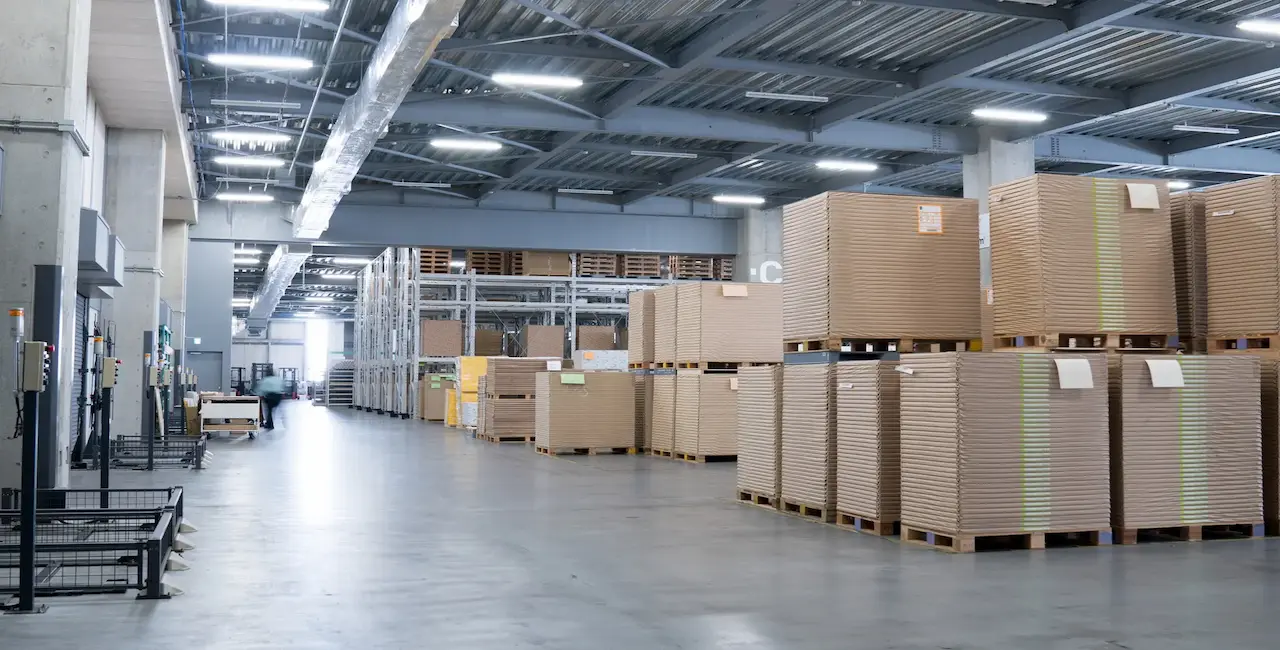
The industrial landscape across Malaysia—stretching from the bustling electronics manufacturing hubs in Penang to the critical transit networks of the Klang Valley—is experiencing unprecedented evolution. As global trade dynamics shift in 2026, Malaysian supply chain directors and operational leaders face a double-edged sword: rising market demand coupled with intense macroeconomic volatility. In this environment, long-term corporate survival is no longer just about operational speed; it relies heavily on supply chain adaptability and the elimination of financial friction.
Every asset within a warehouse, from heavy-duty industrial transport platforms to material handling systems, plays a pivotal role in an enterprise’s ability to respond to market disruptions. However, traditional procurement methods often force companies into rigid financial commitments that hinder agility when regional trade volumes fluctuate.
The Hidden Financial Friction of Warehouse Asset Ownership
Historically, owning a private fleet of thousands of heavy-duty pallets was viewed as a benchmark of operational stability. In today’s dynamic market, however, this asset-heavy strategy frequently introduces hidden operational risks and financial burdens that drain corporate efficiency:
Vulnerability to Asset Depreciation and Obsolescence
Industrial transport platforms are subject to continuous wear, structural damage, and eventual technological obsolescence. Carrying these rapidly depreciating physical assets on the corporate balance sheet steadily erodes overall asset value.
The Sunk Cost of Underutilized Infrastructure
Manufacturing outputs and third-party logistics (3PL) volumes are rarely static. Owning a fixed volume of equipment means that during off-peak trade seasons, millions of ringgit in corporate capital sit completely idle in dark corners of the warehouse, yielding zero return.
Administrative and Regulatory Overhead
Beyond the initial procurement cost, maintaining an owned asset fleet demands dedicated warehouse labor. Continuous structural audits, manual inventory tracking, safety compliance checks, and regular repairs divert vital human resources away from core manufacturing operations.
Mitigating Macroeconomic Risks: The Power of Shared Asset Networks
To insulate themselves against volatile regional inflation and changing international shipping standards, forward-thinking Malaysian enterprises are pivoting away from physical ownership. The modern alternative centers on an open-loop, shared asset ecosystem.
By partnering with an industrial asset management specialist like UPR Malaysia, businesses transition their material handling operations onto a dynamic, usage-based model. Instead of committing large sums of upfront capital to purchase hardware, companies secure immediate access to a massive, standardized pool of high-performance transport platforms strictly based on real-time operational demands. The ownership risks—ranging from wear and tear to asset disposal—are transferred entirely to UPR, leaving the enterprise structurally lean and financially agile.
Operational Agility: Key Strategic Benefits for Malaysian Industries
Transitioning to a collaborative, shared asset rental framework delivers immediate operational advantages to industrial facilities across Malaysia:
Hedging Against Inflation and Capex Strain
By utilizing UPR Malaysia’s flexible rental fees, companies eliminate the need for heavy, upfront capital expenditure (CapEx) cycles. Preserving cash reserves allows organizations to maintain high liquidity, ensuring they can comfortably weather unexpected economic downturns or immediately fund high-return core drivers, such as automated factory machinery or advanced digital management software.
Seamless Inter-State Scaling and Dynamic Volume Control
Malaysia’s trade cycles are highly seasonal. A shared rental model allows logistics managers to expand or contract their equipment fleet instantly on a variable schedule. Whether scaling up production to meet a sudden export surge in Port Klang or reducing inventory during a temporary slowdown, logistics costs shift fluidly in precise alignment with actual shipping volumes, eliminating waste.
Streamlined Logistics Workflows and Reduced Waste
Outsourcing asset management completely removes the burden of technical safety inspections, intensive cleaning, and routine structural maintenance from internal factory teams. UPR Malaysia manages the entire lifecycle of the transport platforms, enabling businesses to optimize internal labor costs, streamline warehouse footprints, and focus 100% of their energy on boosting factory productivity.
Optimize Your Malaysian Supply Chain Logistics
Reduce your operational liabilities and transition to a highly scalable logistics model.
Learn more about UPR Malaysia’s pallet rental services or send your specific inquiries via our
Inquiry Page to build an agile, asset-light framework today.
UPR Solution (Malaysia) Sdn. Bhd. > Columns > Logistics > Supply Chain Resilience: Navigating Macroeconomic Volatility via UPR Malaysia Rental Solutions
 Contact us